Where poetry and landscape merge in eternal beauty
Hangzhou, capital of Zhejiang Province, has been celebrated by poets and emperors for over a thousand years. Marco Polo described it as "the finest and most splendid city in the world," and its West Lake remains one of China's most iconic cultural landscapes.
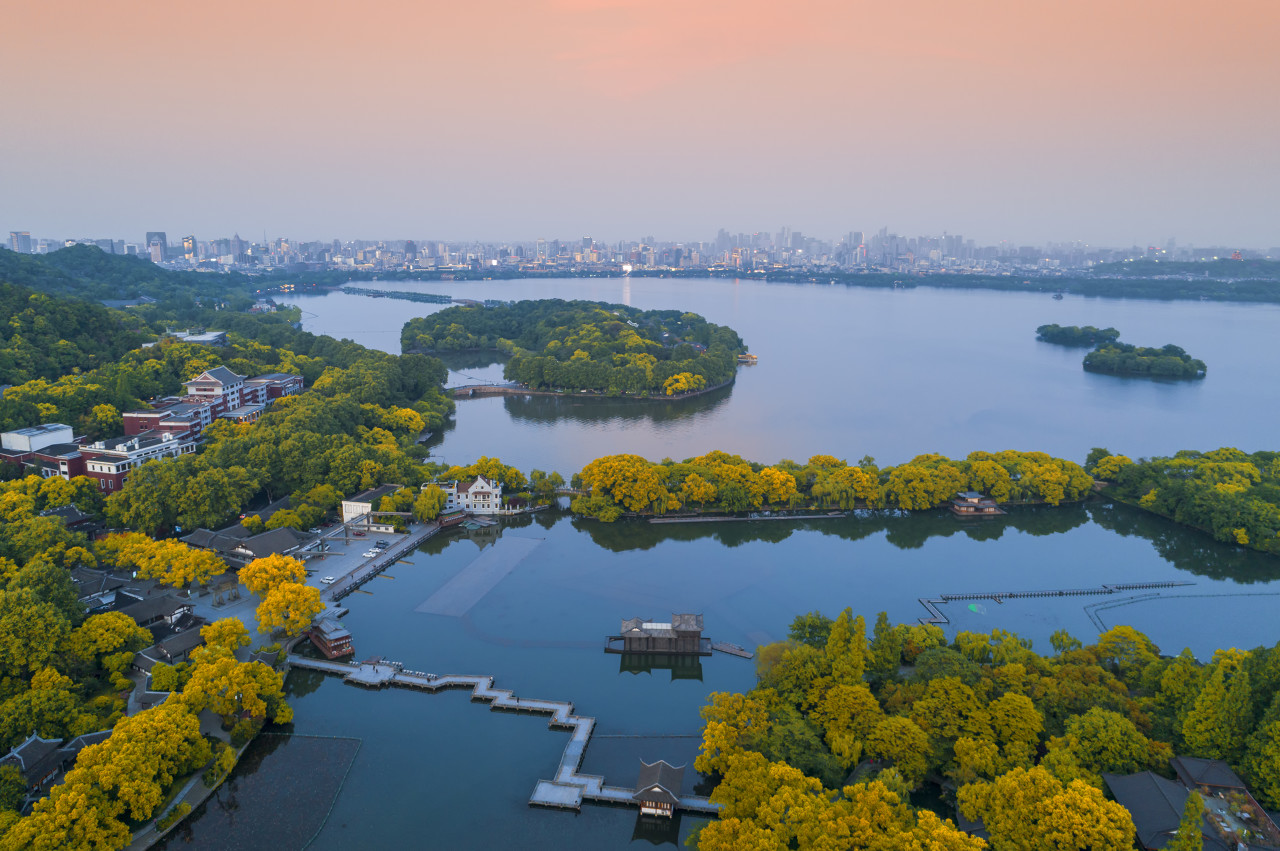
The city's soul is West Lake, a freshwater lake surrounded by hills, pagodas, and gardens. Its beauty has inspired countless poems, paintings, and legends. The lake's ten scenic views, each with its own story, have been depicted by artists since the Song Dynasty.
Beyond its natural beauty, Hangzhou is a city of silk, tea, and technology. It's the home of Longjing (Dragon Well) tea, one of China's most prized green teas, and Alibaba, the e-commerce giant. Ancient temples and modern skyscrapers coexist in harmony.
7th Century Capital
UNESCO World Heritage site of poetic beauty
China's most celebrated green tea
Historic center of Chinese silk production
Home to Alibaba and innovation ecosystem
The crown jewel of Hangzhou, this UNESCO World Heritage site features ten classic scenic views including the Broken Bridge, Su Causeway, and Three Ponds Mirroring the Moon. Boating here is like floating through a Chinese landscape painting.
One of China's most significant Buddhist temples, founded in 328 AD. The temple complex includes ancient halls, serene gardens, and the famous Flying Peak with hundreds of stone Buddha carvings dating from the 10th to 14th centuries.
A majestic octagonal pagoda overlooking the Qiantang River, originally built in 970 AD to suppress the river's tidal bore. The 60-meter tower offers panoramic views and houses intricate brick carvings of its interior walls.
A vibrant historic pedestrian street lined with traditional shops, teahouses, and medicine halls. Here you can watch craftsmen make silk umbrellas, taste local snacks, and experience the atmosphere of old Hangzhou.
The birthplace of Dragon Well tea, nestled in terraced hillsides west of West Lake. Visit during spring harvest to see farmers picking tea leaves and experience the authentic process of producing China's premier green tea.
A vast urban wetland park of ponds, reeds, and traditional villages. Navigate by boat through waterways where migratory birds nest, ancient pavilions stand, and seasonal festivals celebrate plum blossoms and dragon boats.
Hangzhou cuisine, part of the Zhejiang culinary tradition, emphasizes freshness, lightness, and refined presentation. Dishes are often steamed or braised, preserving natural flavors while showcasing the chef's artistry.
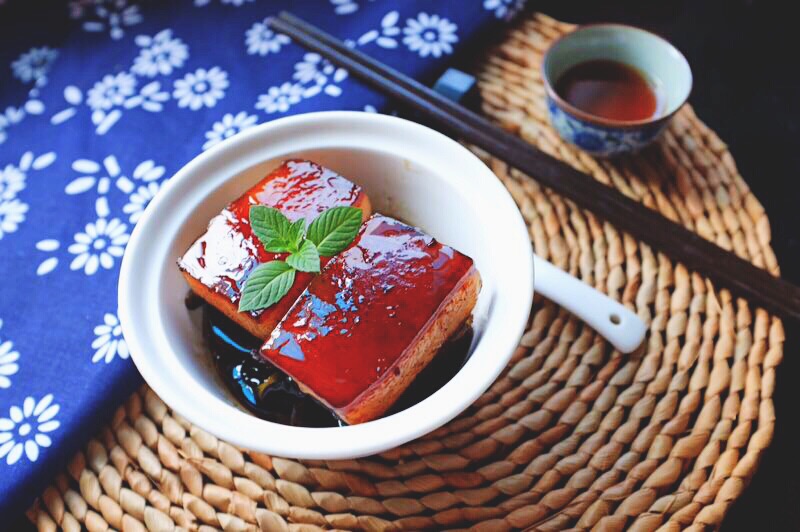
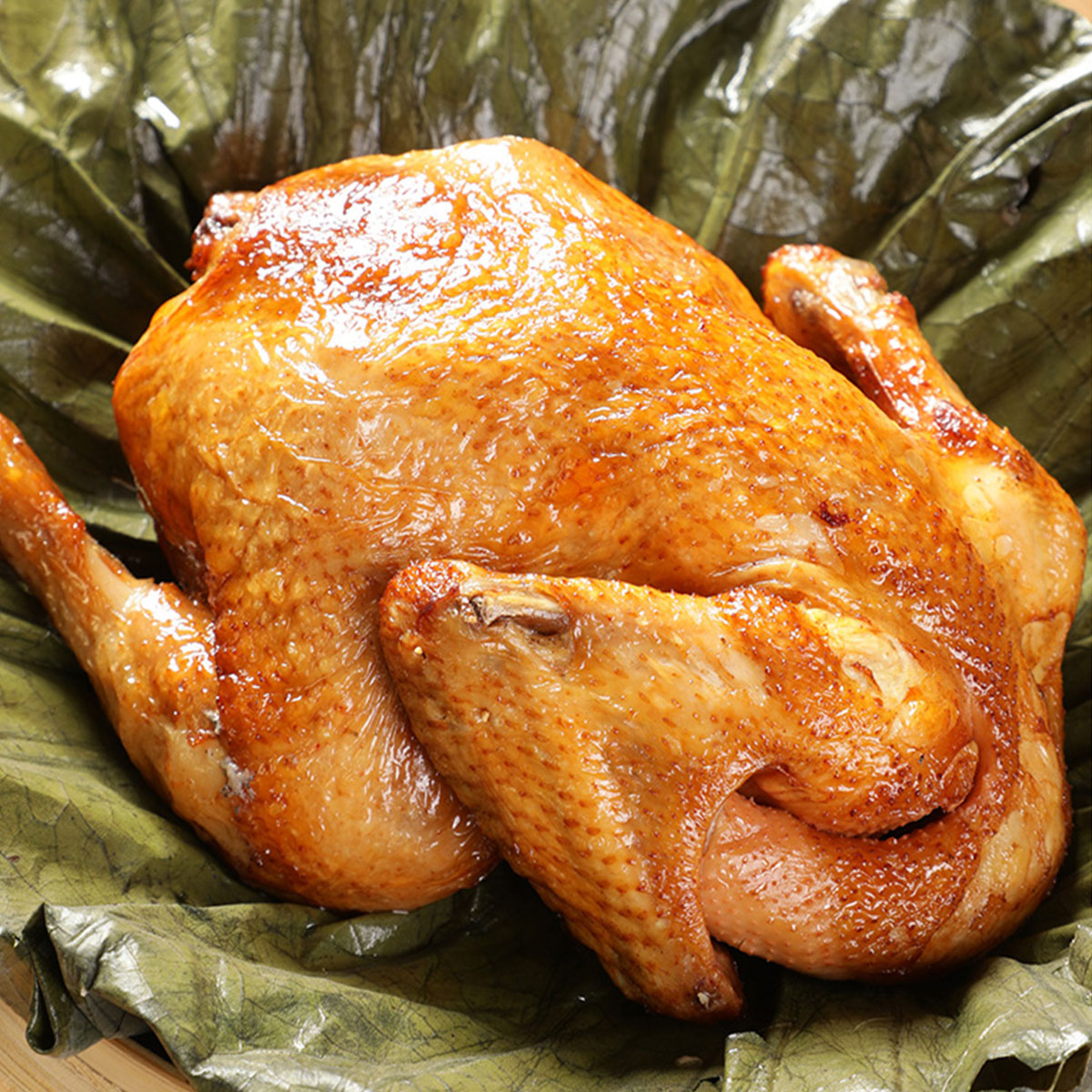
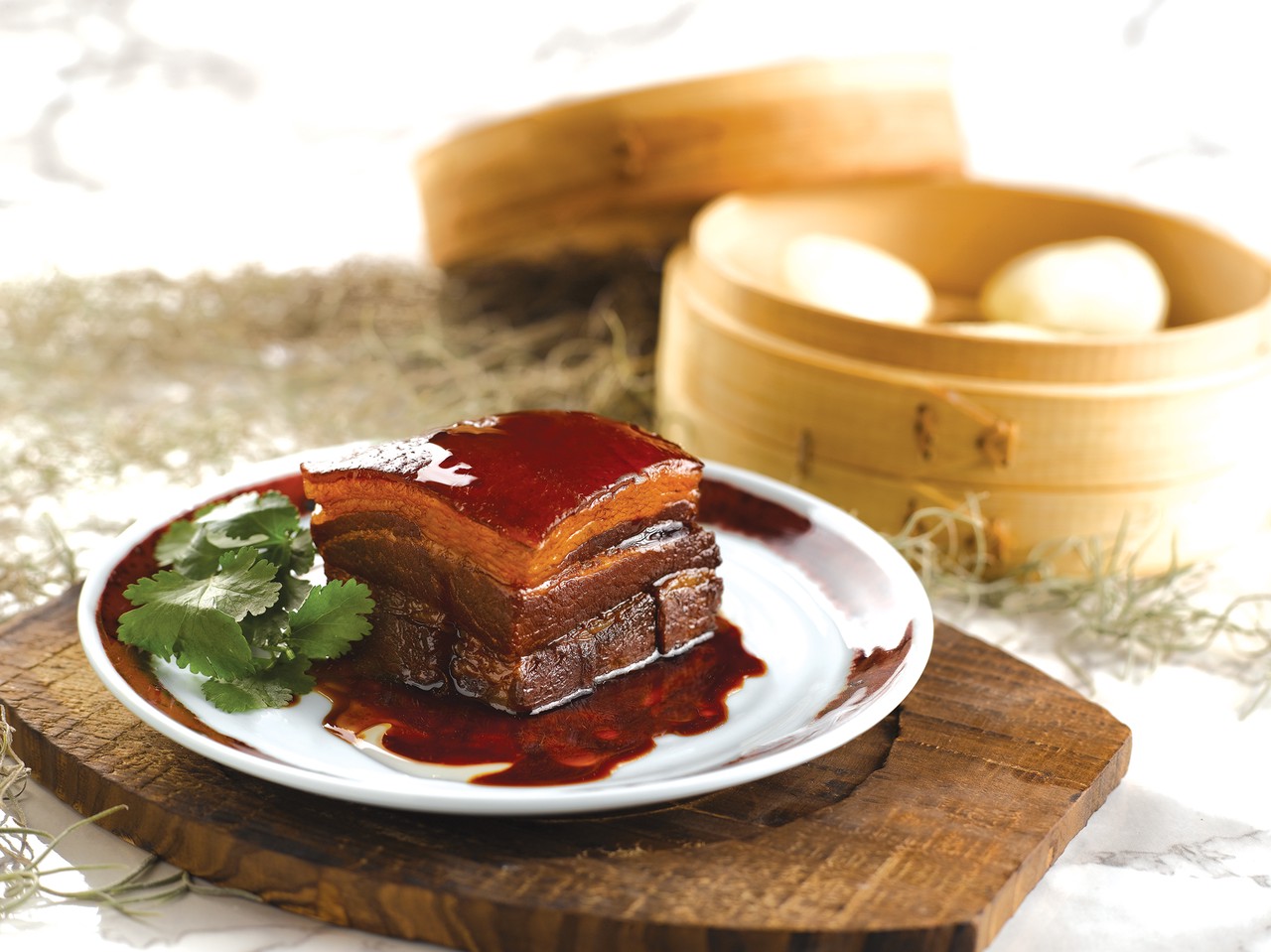
Many Hangzhou dishes carry stories from West Lake legends. Dongpo Pork commemorates the poet Su Dongpo, while Beggar's Chicken recalls a clever thief who wrapped a stolen chicken in mud. Eating here is tasting history.
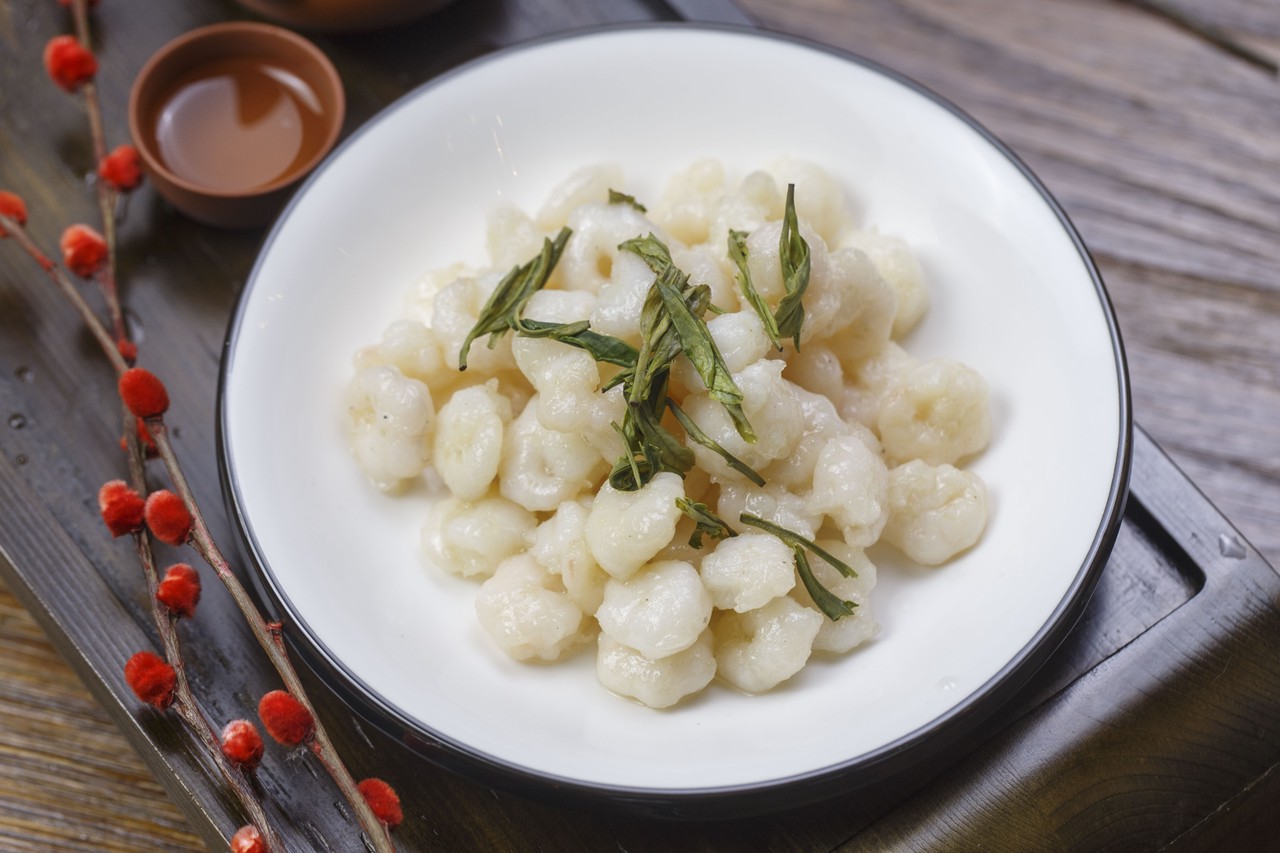
The city's tea culture deeply influences its cuisine. Longjing tea appears in dishes like Tea-Smoked Chicken and Shrimp with Dragon Well Tea, creating subtle, aromatic flavors that reflect Hangzhou's refined aesthetic.
Eat in Hangzhou
Slow-braised pork belly named after poet Su Dongpo, featuring layers of succulent meat in rich soy-based sauce, red-brown and glistening.
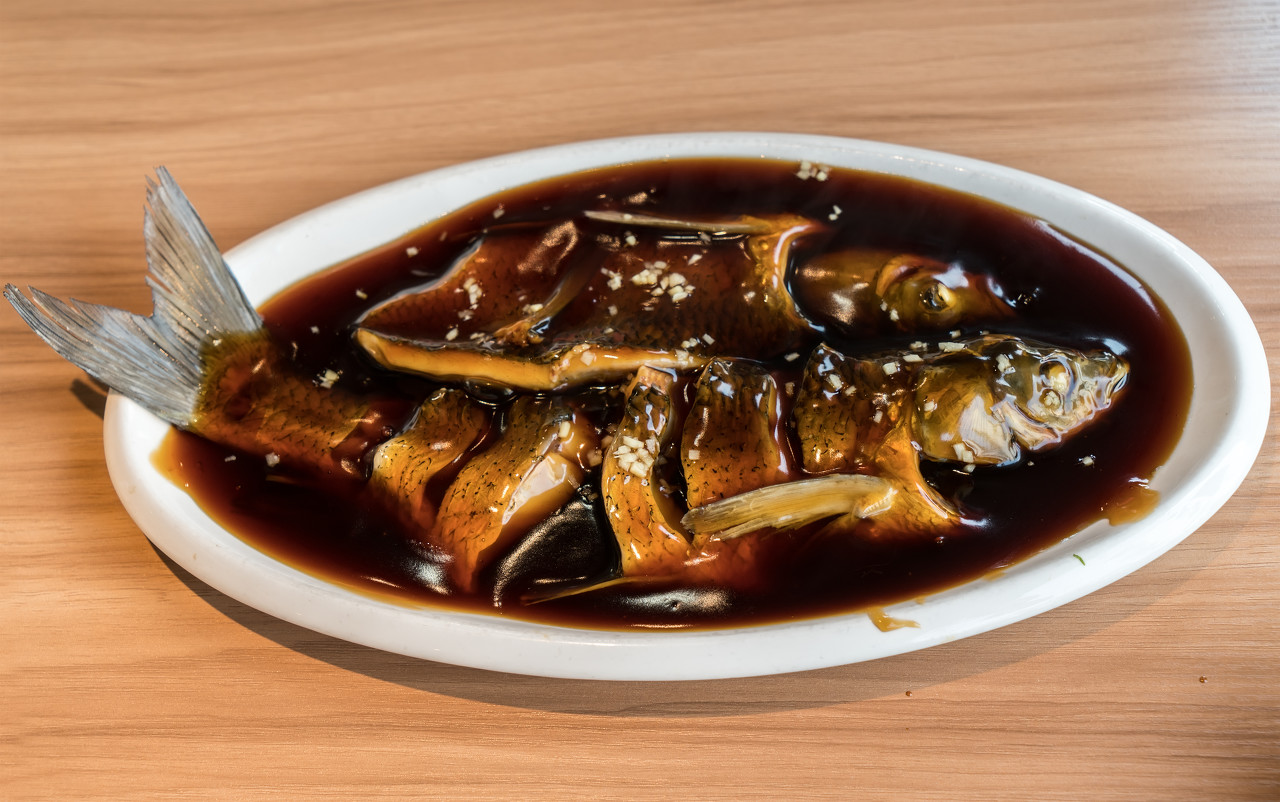
Fresh grass carp from West Lake, quickly poached and served with a sweet-sour vinegar glaze that balances delicate fish flavor.
Chicken wrapped in lotus leaves and clay, slow-baked to trap aromas of herbs and mushrooms, creating intensely flavorful meat.
Plump river shrimp quick-fried with Dragon Well tea leaves, creating translucent jade-colored delicacy with subtle tea fragrance.
The most famous food street in Hangzhou, offering traditional snacks like lotus root cake, sweet rice cakes, and Beggar's Chicken. Historic medicine halls and teahouses add cultural flavor.
A hidden gem for authentic Hangzhou flavors, where traditional restaurants serve dishes unchanged for generations. Famous for its Dongpo Pork and classic breakfast shops.
A riverside dining destination offering both Hangzhou classics and international cuisine, popular for evening strolls and outdoor dining with canal views.